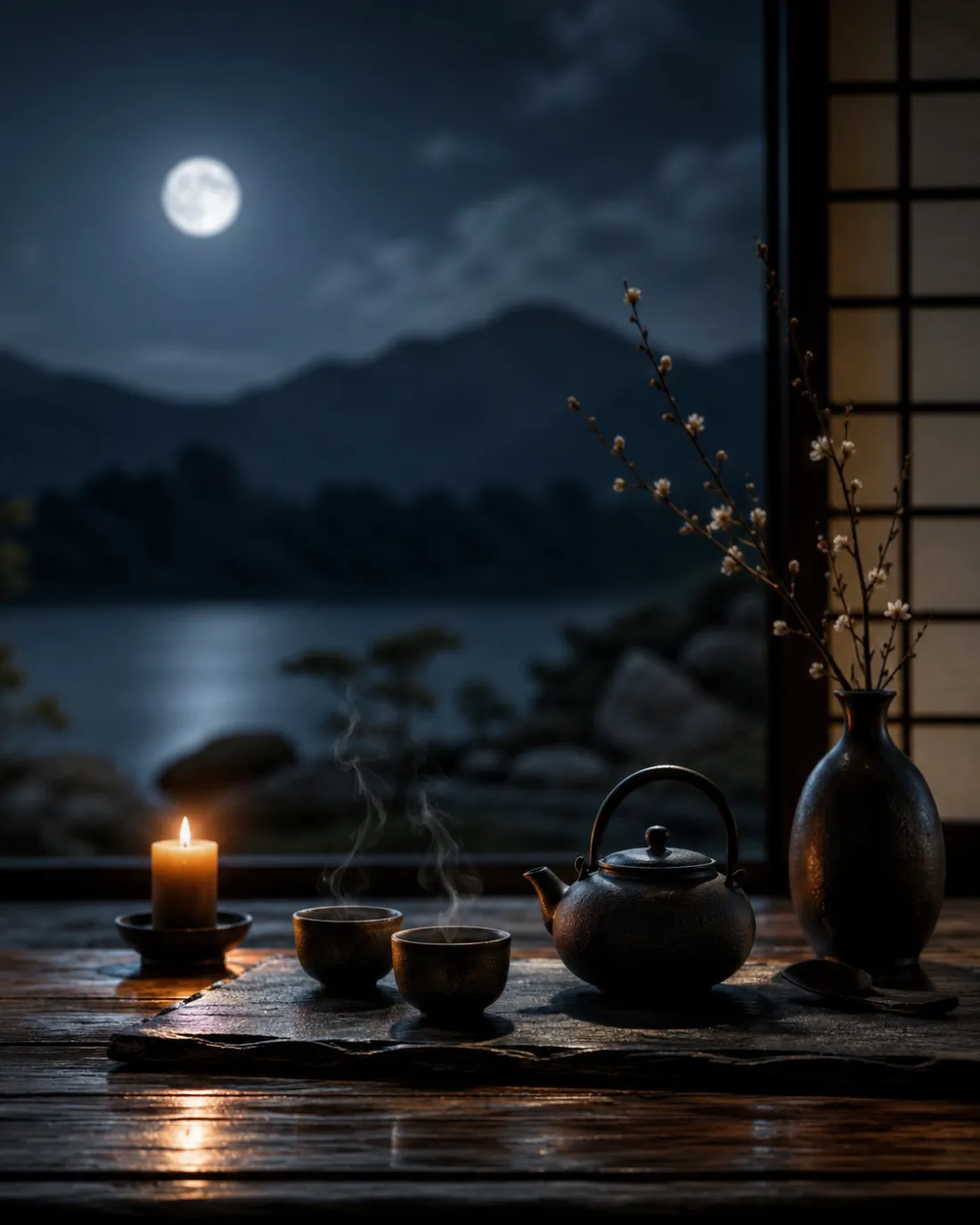
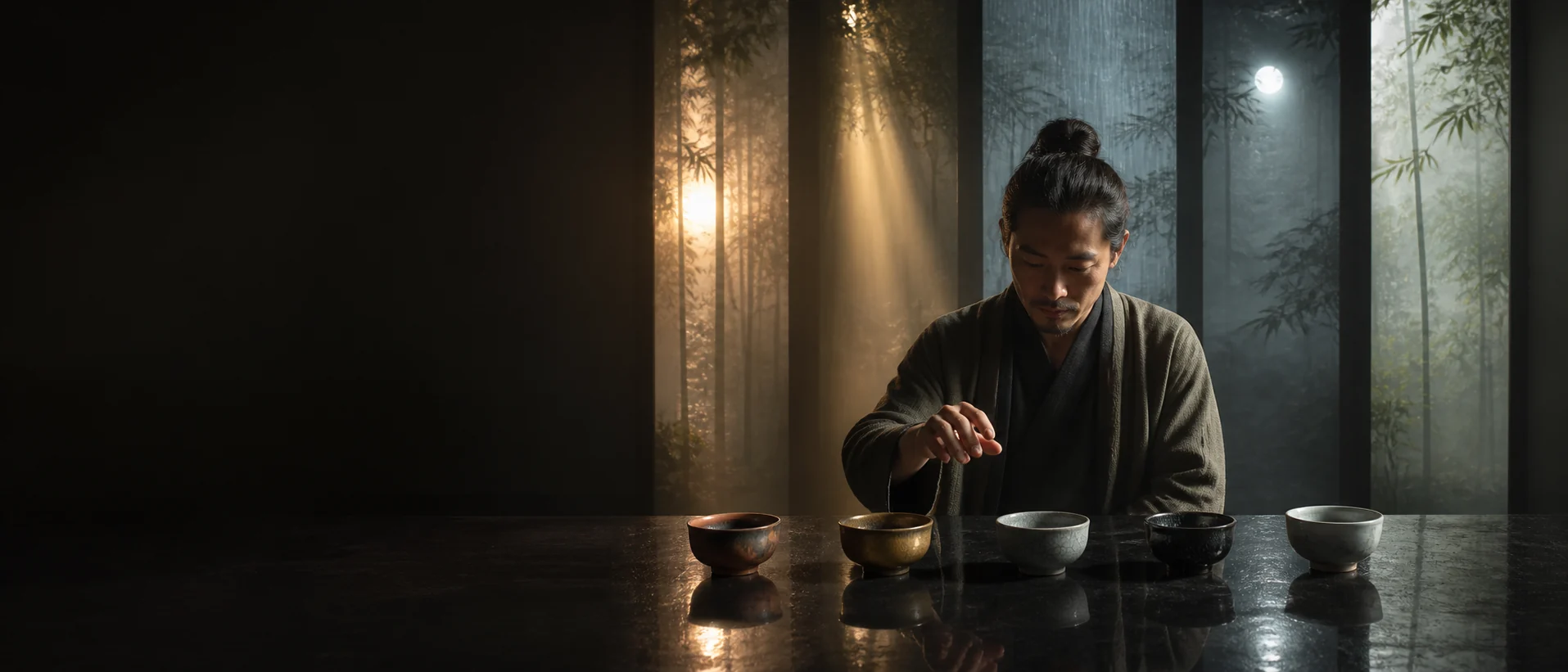
The entry point is not a catalogue. It is a state of mind — pick the one
closest to this hour and we will name the tea for it.
入口不是目錄,而是此刻的心境——擇一相近者,我們為你指出那盞茶。
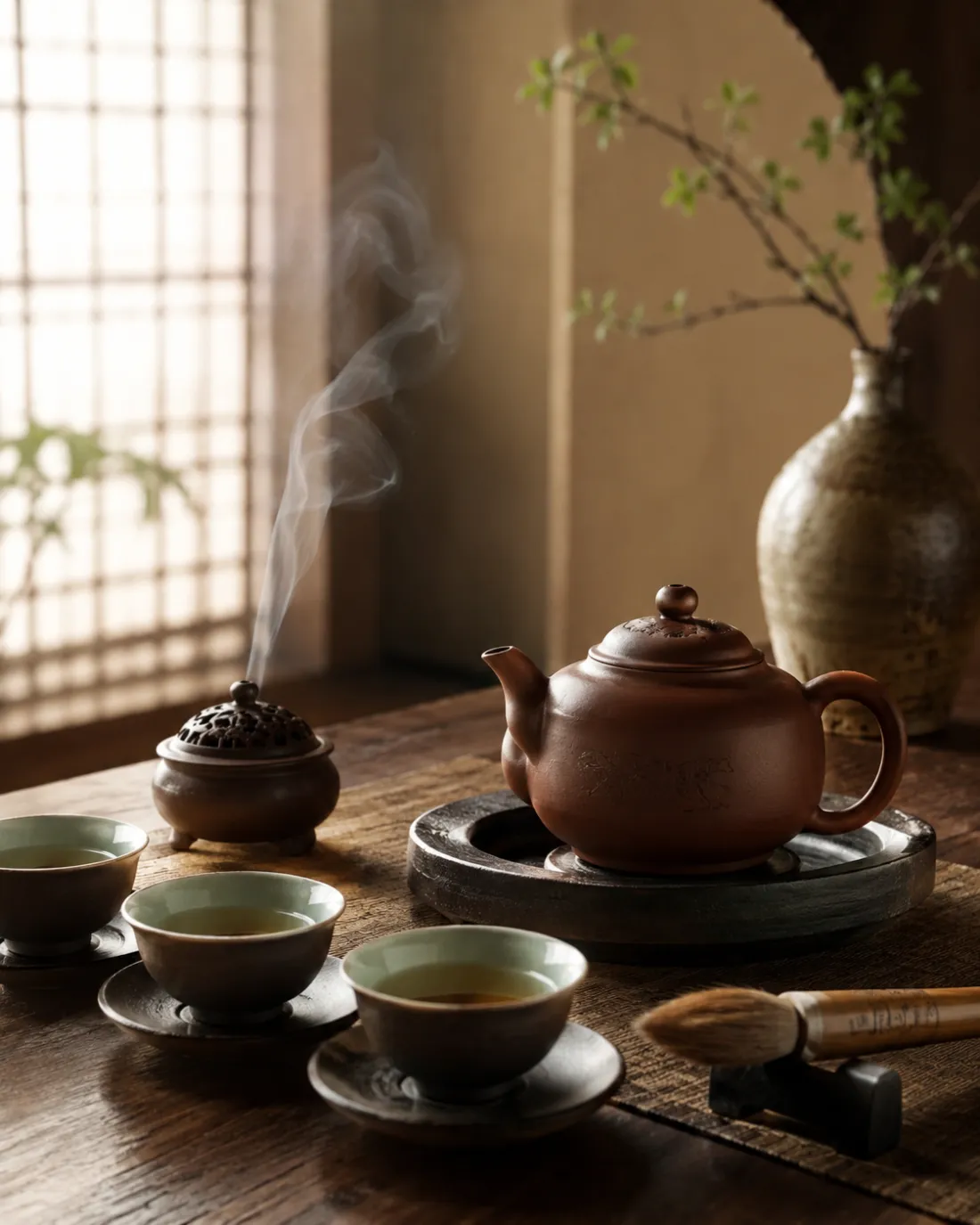
Black as foundation.Green as life.Simplicity as luxury.
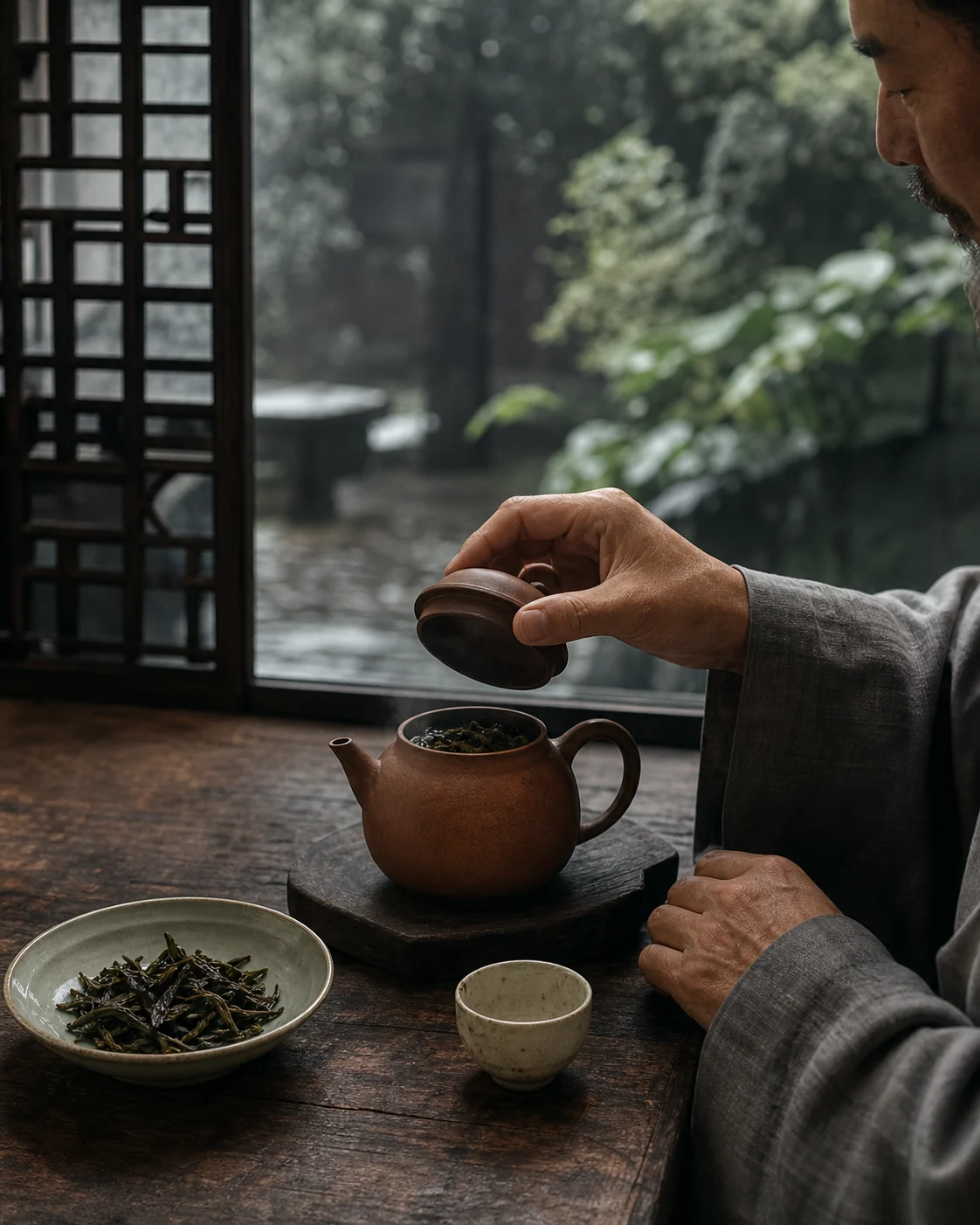
One cup. One breath. One return. Tea is not a product here — it is the
interval between two thoughts.
使命 · What we are for
To make Chinese tea the easiest door into a quieter
hour — without making it smaller than it is. Most of what is sold as
"wellness tea" has had the culture taken out to make it go down easier.
We would rather teach the thing than thin it.
願景 · Where it goes
A tea house that is not a room. The ritual should
travel — to a desk at four in the afternoon, a kitchen before anyone else
is awake, a hotel on the wrong side of a time zone. Somewhere to sit down
inside your own day.
茶與禪 · Tea and stillness
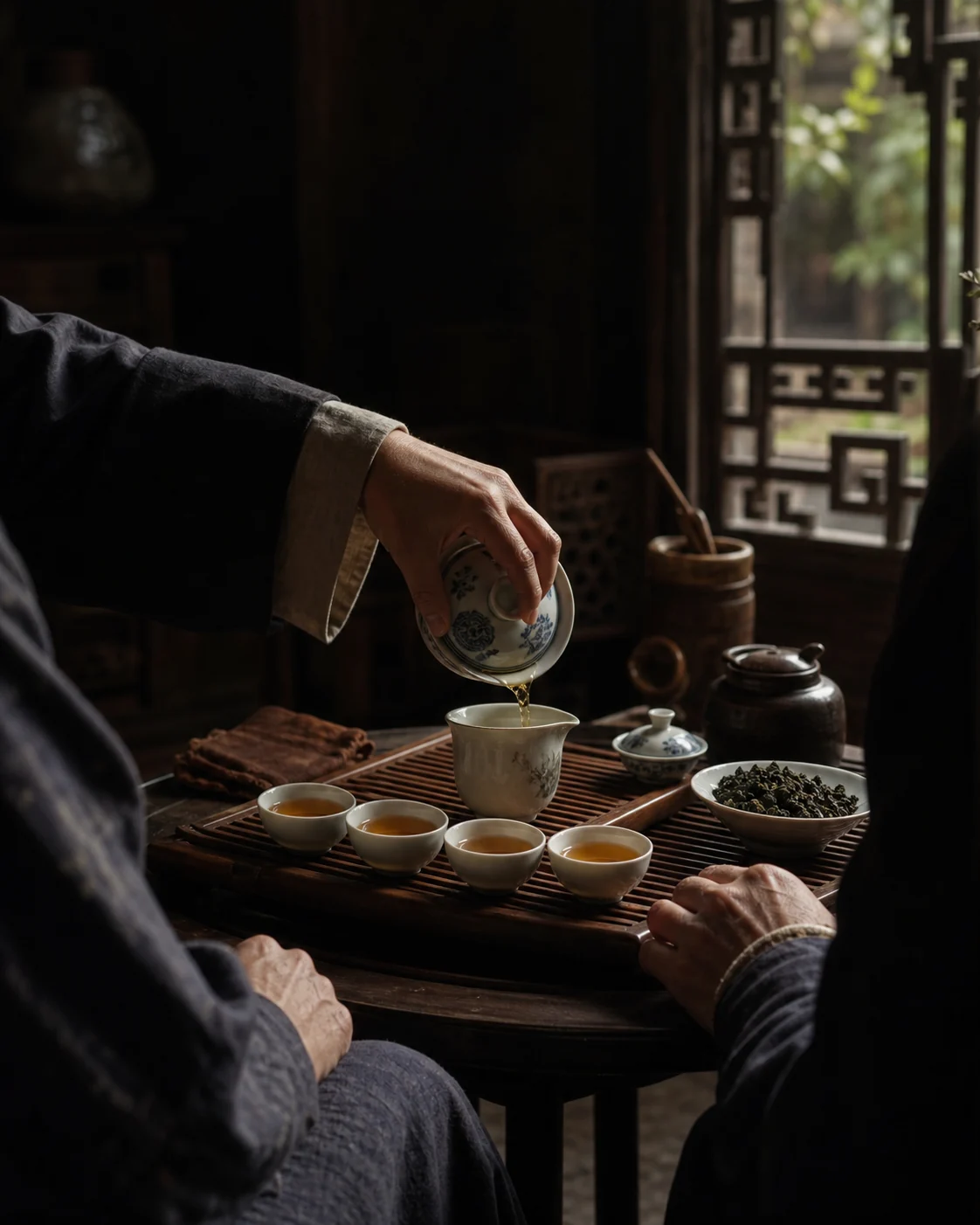
Half of this is not the leaf. It is the water coming
to heat, the first pour, the pause before you drink it. Monks kept tea
through centuries because it holds attention still without dulling it —
the same reason it is worth keeping now.
05 / 13
AI 茶測試 · AI Tea Test
Four questions. One cup that fits.
你帶來的 · What you bring
睡眠Sleep
專注Focus
壓力Stress
易怒Irritable
過度思考Overthinking
平靜能量Calm energy
四個問題 · The four questions
01狀態State
Where your body and mind sit at this moment.
02生活問題Daily friction
Sleep, focus, digestion — the honest daily friction.
左邊六項即第二節的六種情緒,右邊七類即第八節的七大茶類。測試所做的,是把兩者接起來。
The six on the left are section 02's moods. The seven on the right are
section 08's families. The test is the part in between, and no line is
drawn across it here because the answer depends on yours.
Change the vessel and you change the drink. These are not illustrations
of the history — they are the history.
1 / 6
618–907
唐
Tang
法 Method
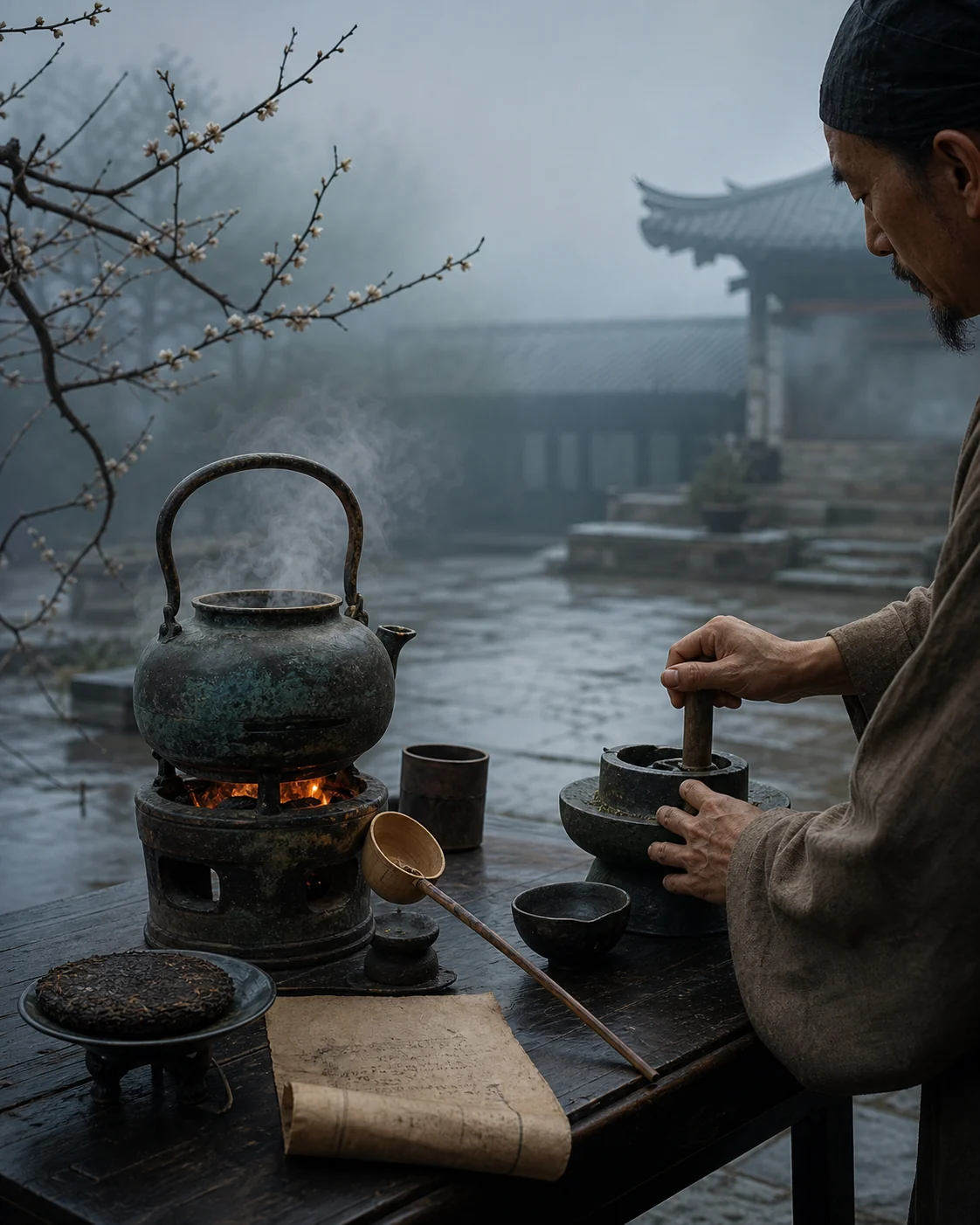
Boiled with salt · 煮茶加鹽
茶 Tea
Steamed compressed cake · 餅茶
器 Vessel
Cauldron and ladle · 鍑與杓
人 Figure
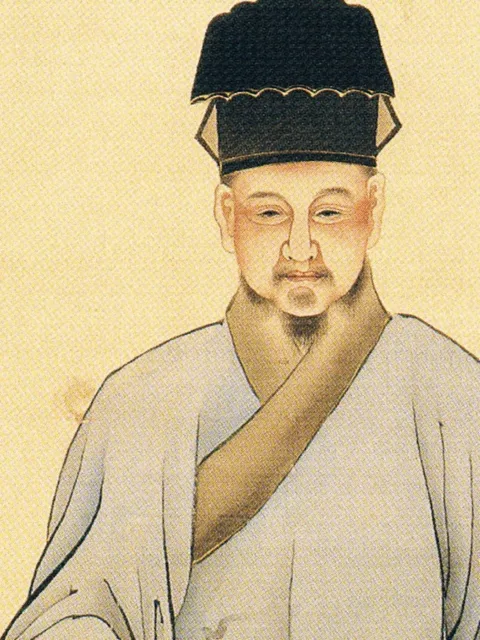
Lu Yu · 陸羽 733–804
Lu Yu wrote The Classic of Tea and gave the practice a vocabulary — source, water, fire, vessel, conduct. Drinking became something that could be done well or badly.
陸羽著《茶經》,為茶事立下語彙——產地、水、火、器、儀節。飲茶自此有了高下之分。
2 / 6
960–1279
宋
Song
法 Method
Whisked to foam · 點茶擊拂
茶 Tea
Beiyuan dragon-and-phoenix cakes · 北苑龍鳳團茶
器 Vessel
Jian bowl and whisk · 建盞與茶筅
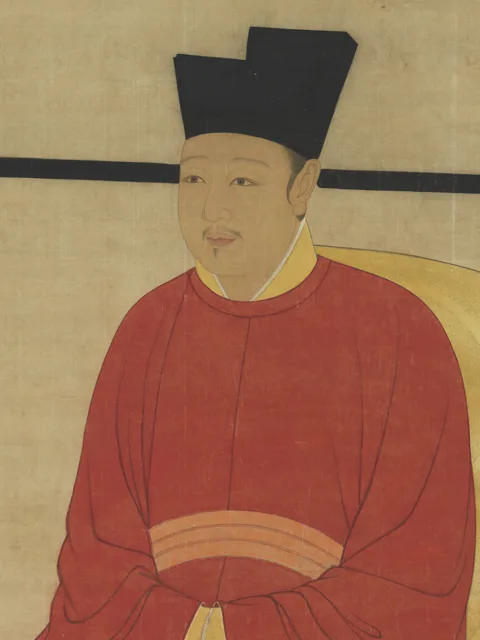
人 Figure
Emperor Huizong · 宋徽宗 1082–1135
Black-glazed Jian bowls existed to make pale foam visible. Competitions were judged on the colour of the froth and how long it clung to the wall of the bowl.
黑釉建盞正為顯出白沫而生。鬥茶所較者,在沫色,亦在其咬盞之久暫。
3 / 6
1271–1368
元
Yuan
法 Method
Two methods at once · 點茶與泡茶並行
茶 Tea
Cake, loose and wax tea together · 餅茶、散茶與蠟茶並存
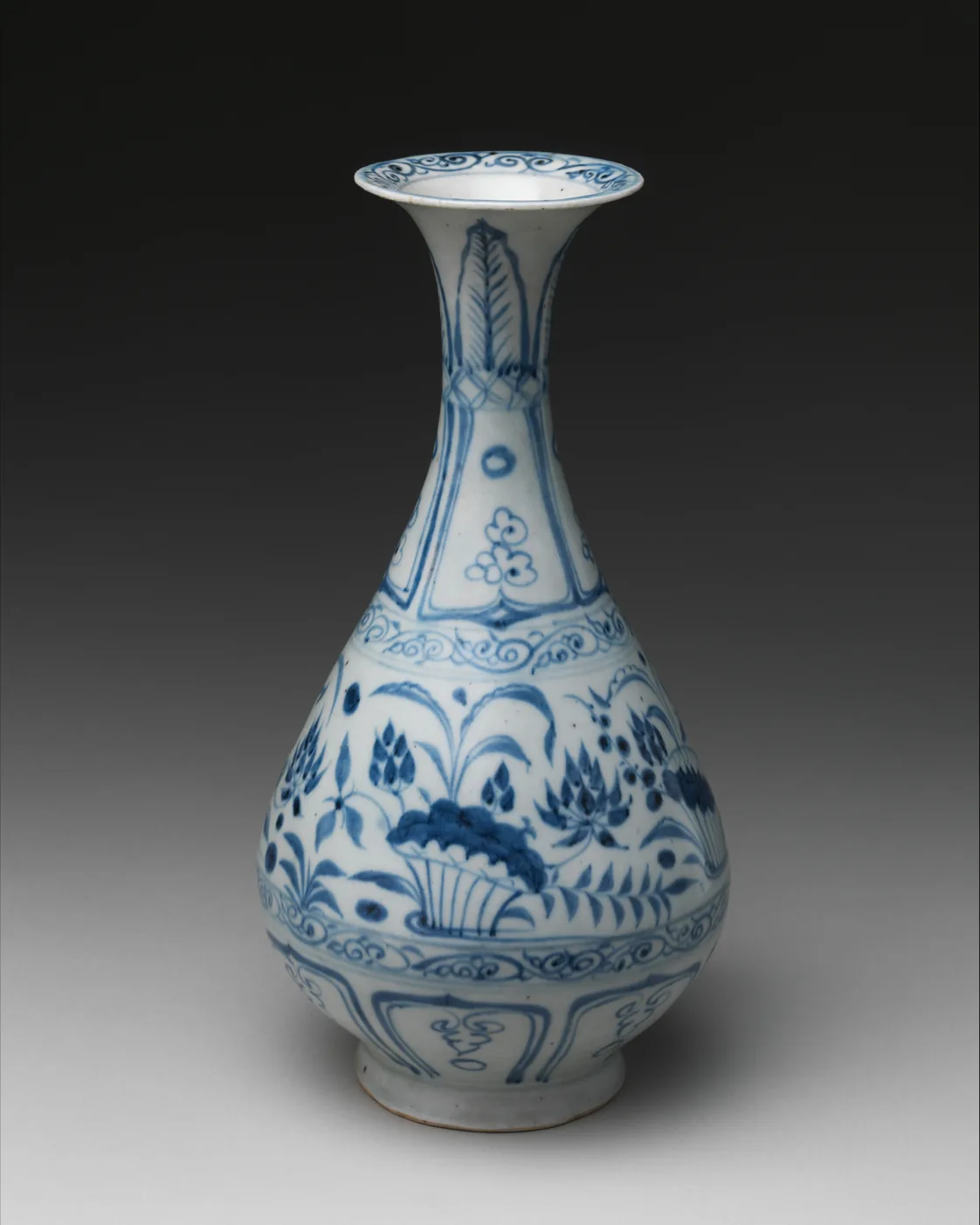
器 Vessel
Blue-and-white takes over · 青花漸興
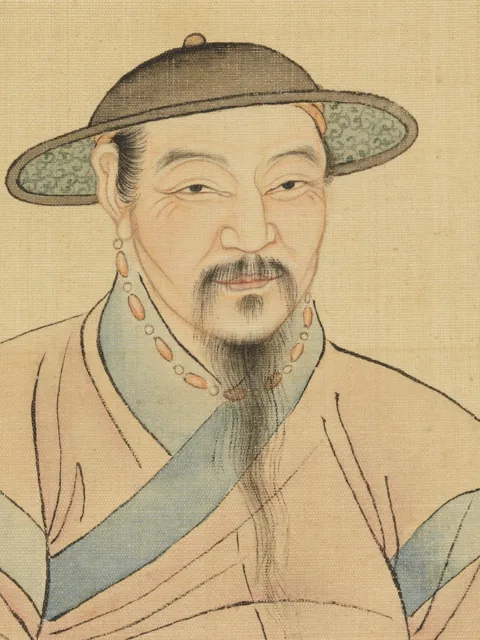
人 Figure
Zhao Mengfu · 趙孟頫 1254–1322
The era every tea history skips. Two ways of drinking ran side by side: the court still whisked powder, while ordinary households simply steeped loose leaf. The habit that would define the Ming started here, at the bottom.
元代為茶史所略。宮廷猶行點茶,民間已直接沖泡散茶。明代泡茶之風,實始於此,始於民間。
4 / 6
1368–1644
明
Ming
法 Method
Loose leaf steeped · 散茶沖泡
茶 Tea
Pan-fired loose-leaf green · 炒青綠茶
器 Vessel
Yixing pot · 宜興紫砂壺
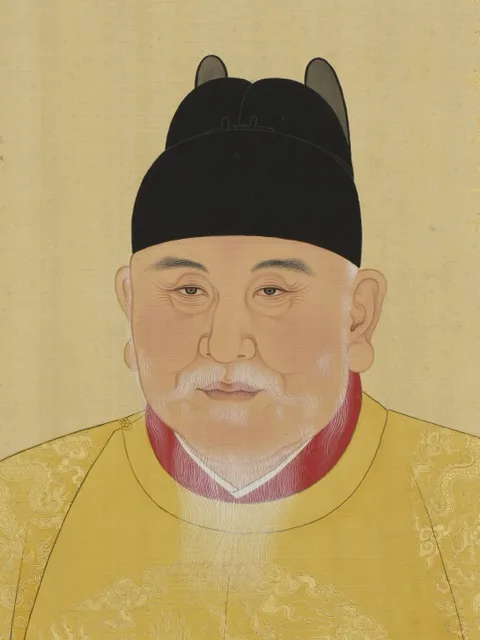
人 Figure
The Hongwu Emperor · 明太祖 1328–1398
The Hongwu Emperor abolished compressed tribute cakes in 1391, and the whole grammar of tea changed with them. Shape and fragrance became visible for the first time.
洪武二十四年,明太祖罷造團茶,茶之章法自此全改。葉形與香氣,至此方為人所見。
5 / 6
1644–1912
清
Qing
法 Method
Short repeated infusions · 功夫短沖
茶 Tea
Oolong, and the first black teas · 烏龍與正山小種
器 Vessel
Gaiwan and cups · 蓋碗與品茗杯
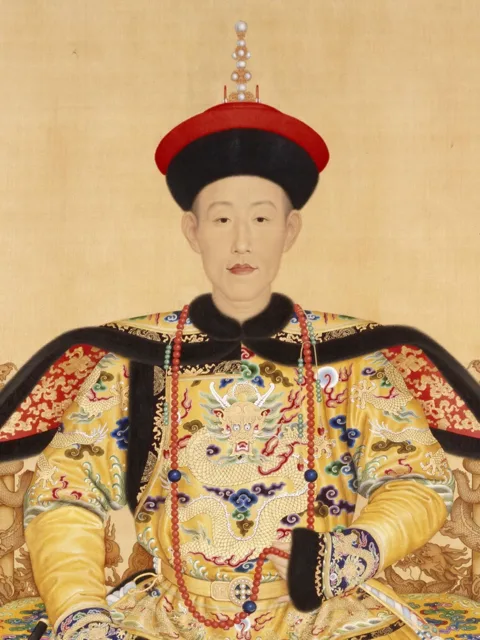
人 Figure
The Qianlong Emperor · 乾隆帝 1711–1799
Gongfu method: a small vessel, a high leaf ratio, and many short pours rather than one long one. The same leaf is read across a dozen infusions — the form Chazen still brews by.
Gongfu, gaiwan, Western steeping and the teabag all coexist. The newest thing in tea is a return: in 2009 the Song foam-painting art was reconstructed from the texts, and in 2017 Wuyishan listed it as intangible heritage.
Portraits, public domain: Emperor Huizong and the Hongwu Emperor, Song and
Ming court painters. The Qianlong Emperor by Giuseppe Castiglione
郎世寧, 1736. Lu Yu after Haruki Nanmei
春木南溟, 1841 — a later imagining; no
portrait from his lifetime survives. Zhao Mengfu after Wang Gong
汪恭, 19th century, and the Yuan flask,
Metropolitan Museum of Art. Chengdu teahouse, 2015, photograph by Daderot.
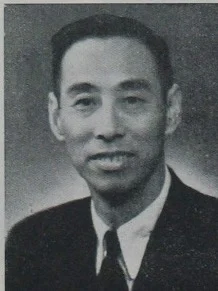
Wu Juenong, 1949.
08 / 13
茶類地圖 · Tea Atlas
Six families, and the scented one.
Every Chinese tea comes from one plant, Camellia sinensis. What
separates them is oxidation — how long the leaf is allowed to breathe.
不發酵 · Unoxidised順序為發酵由淺至深 · In order of oxidation全發酵 · Fully oxidised
格中之色為該茶湯色,非葉色。葉不告訴你發酵到哪裡,湯會。
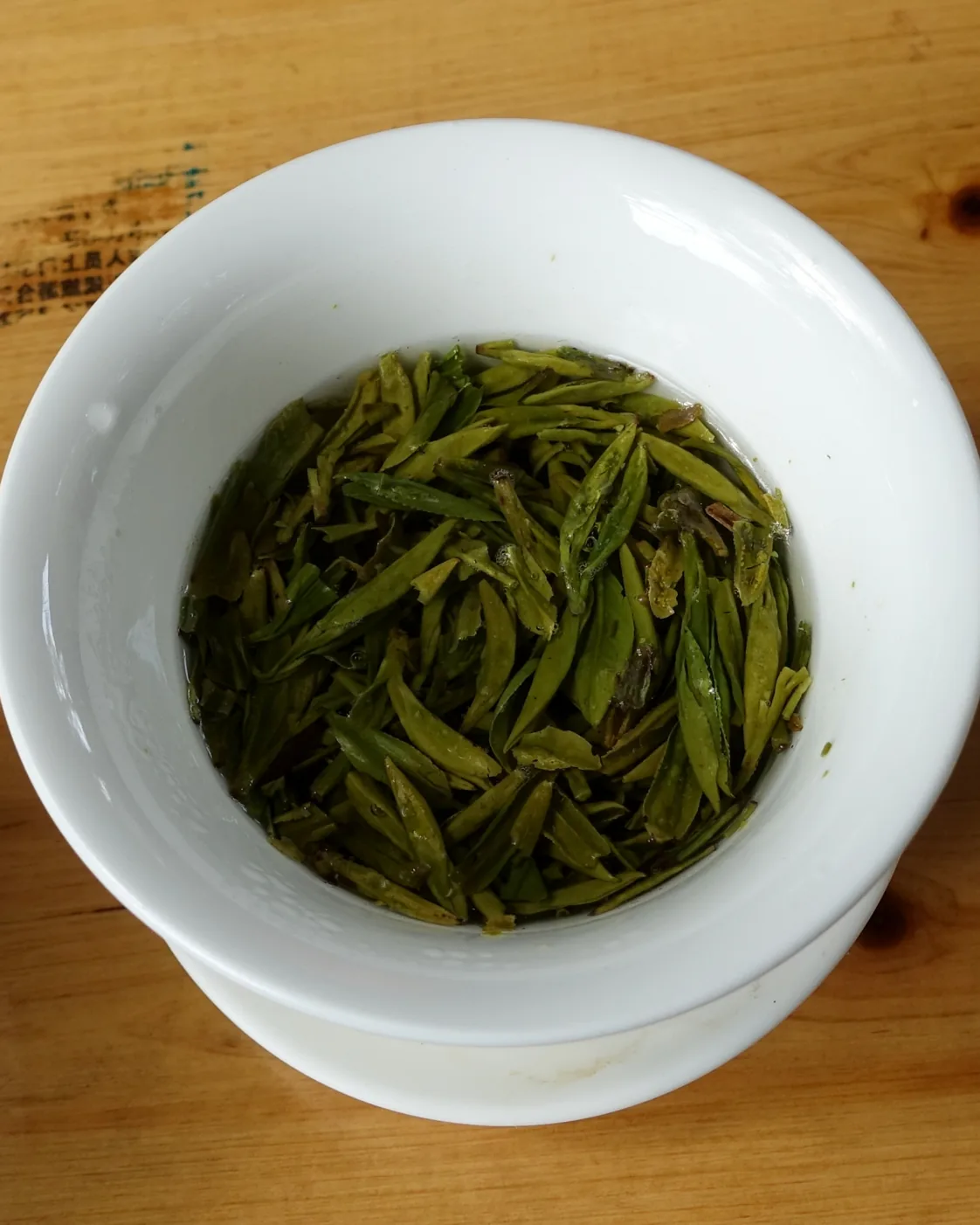
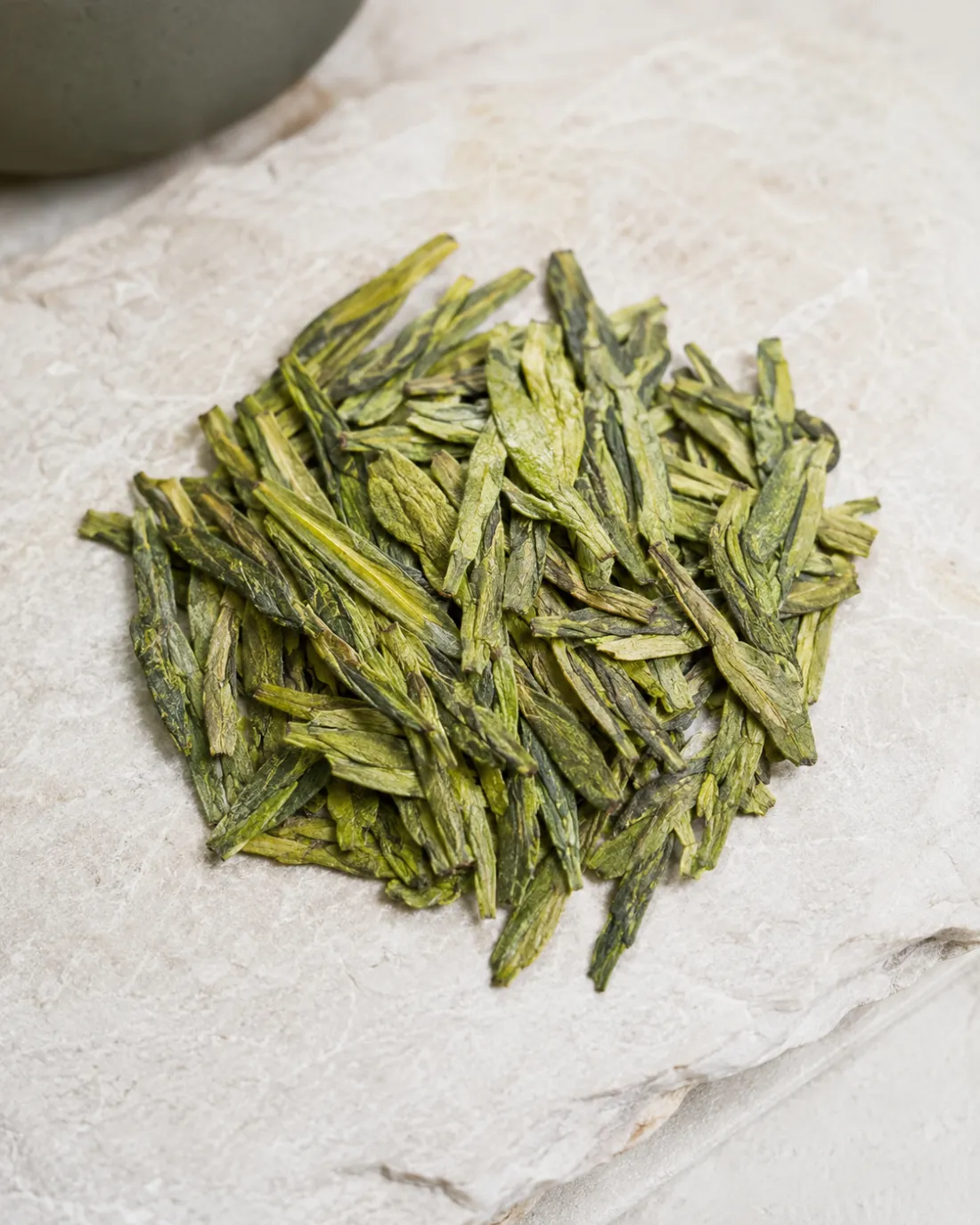
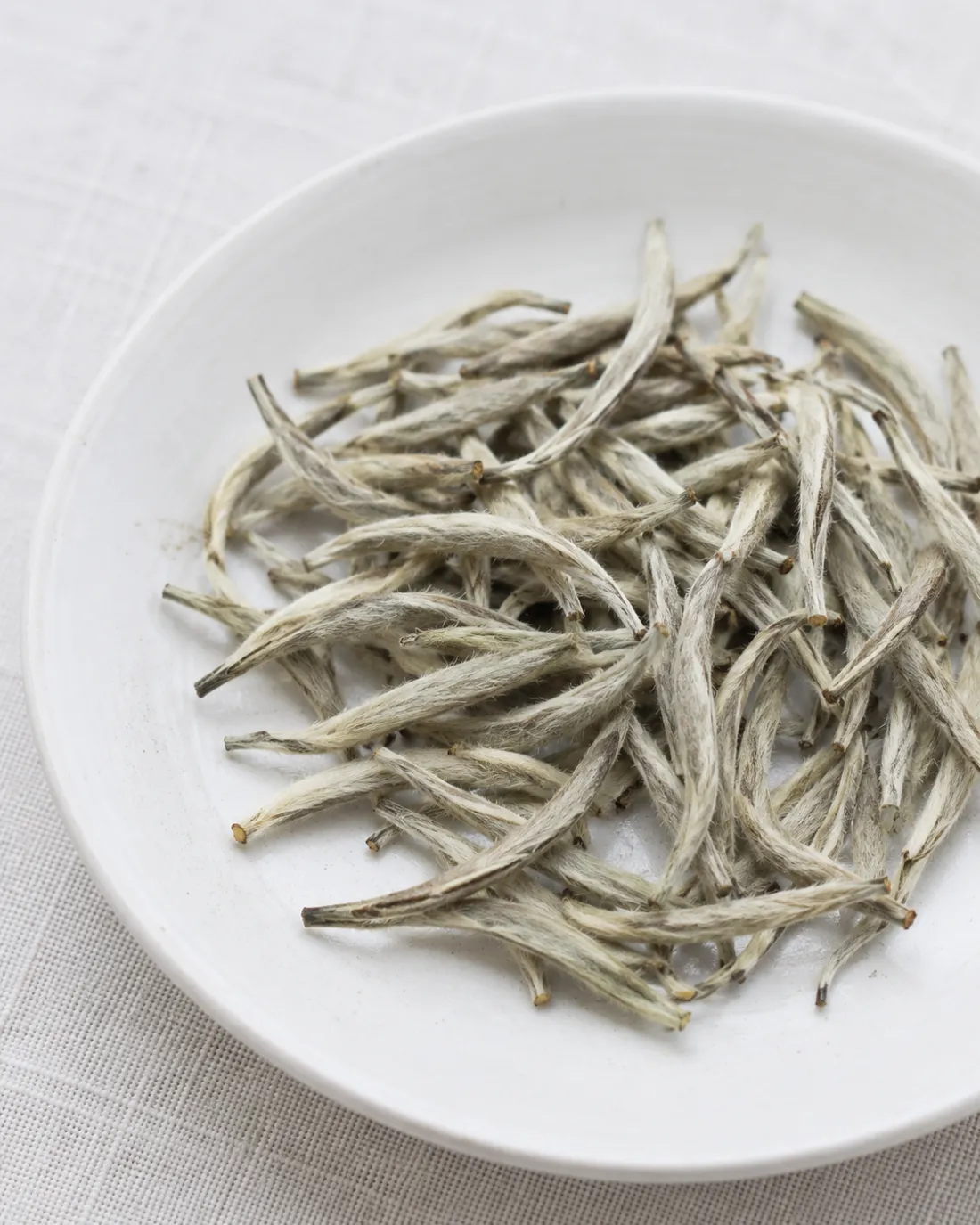
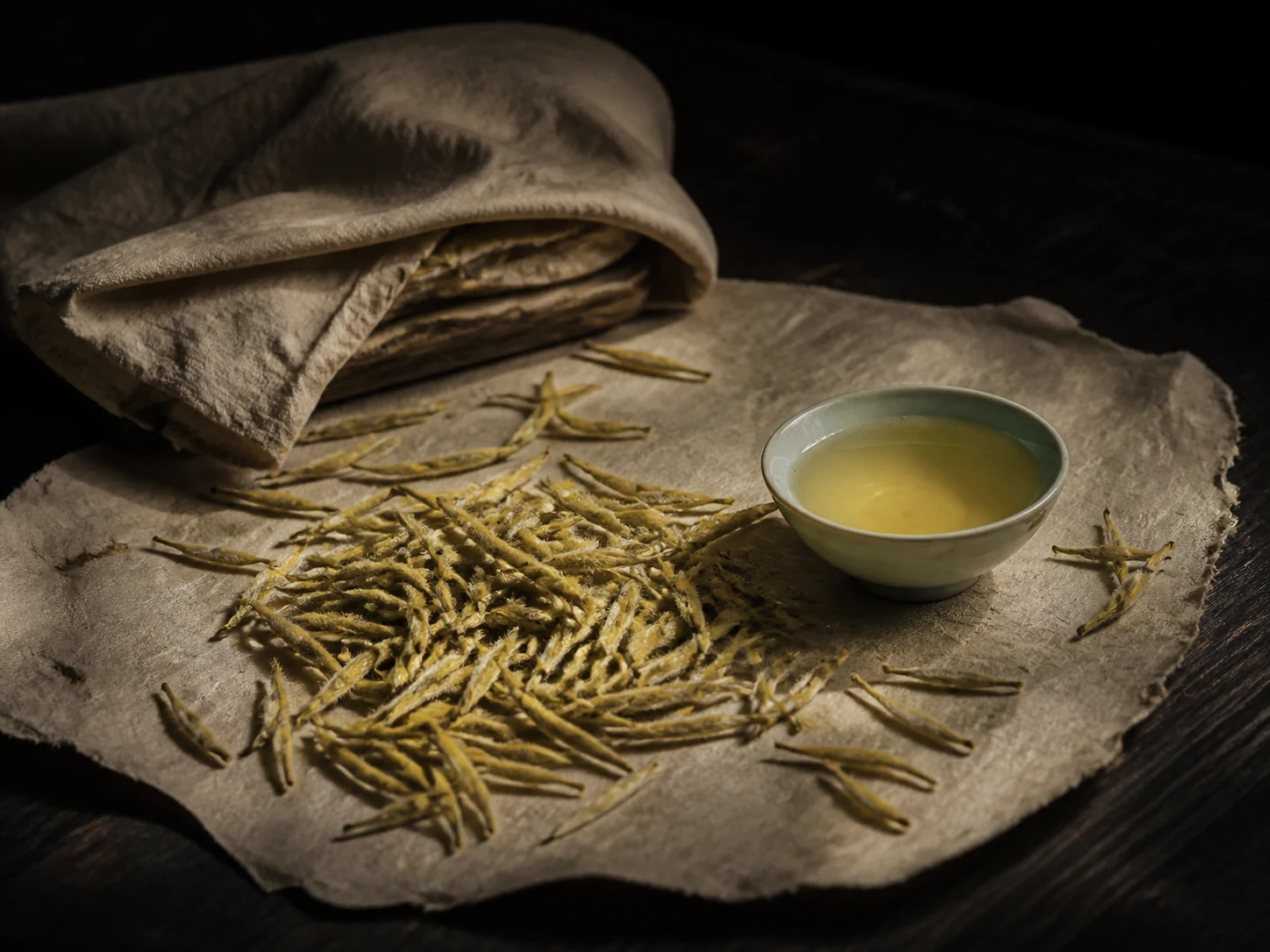
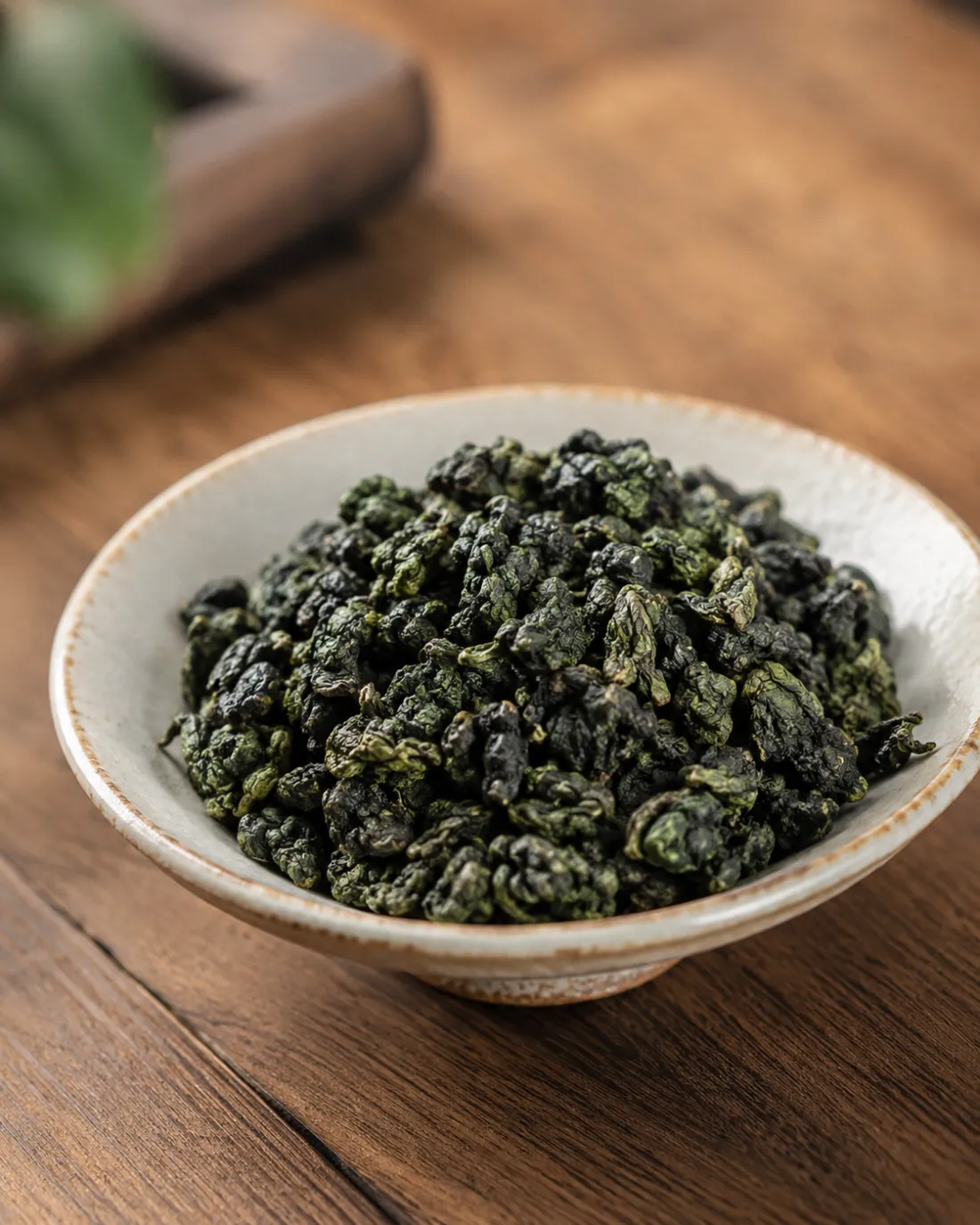
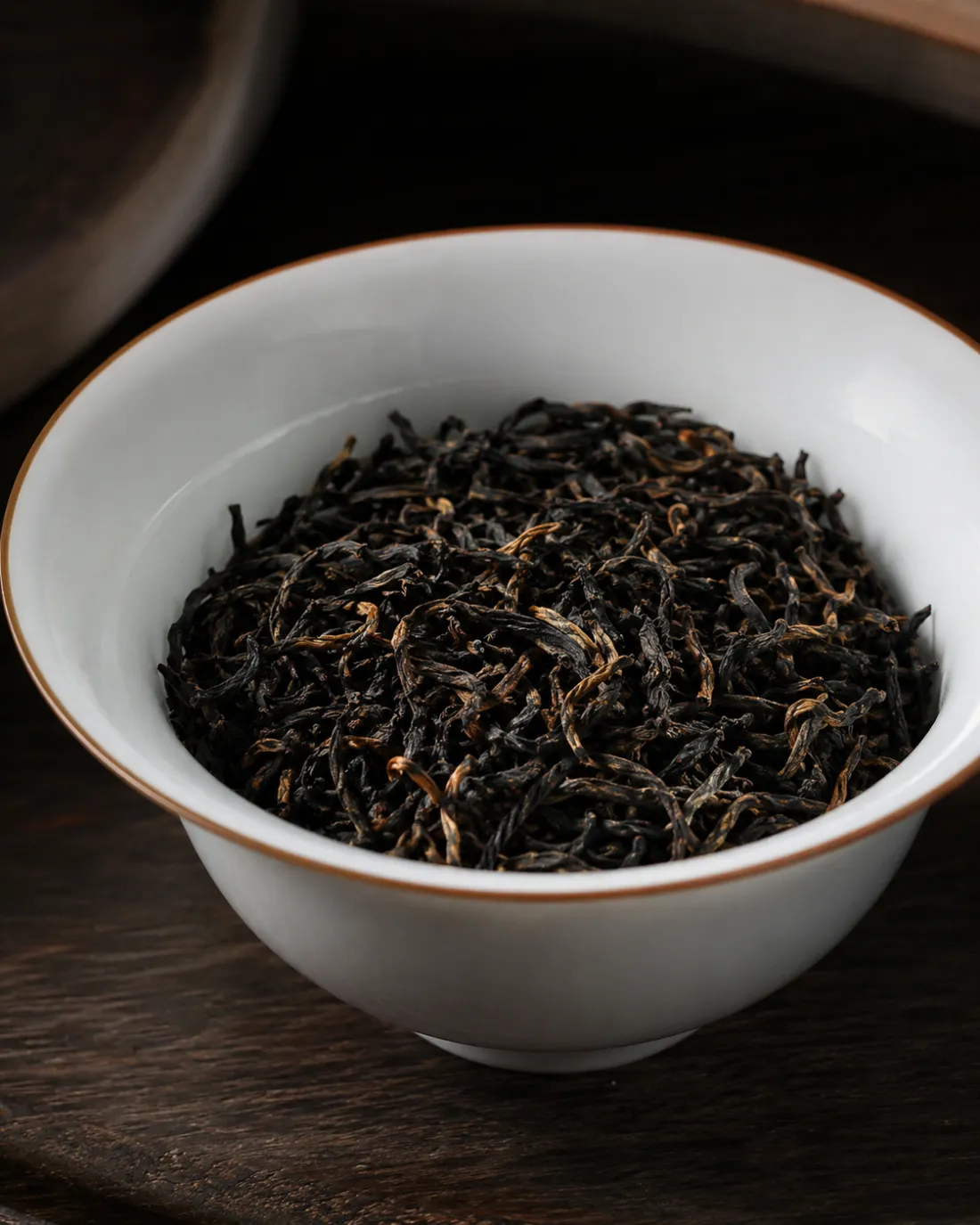
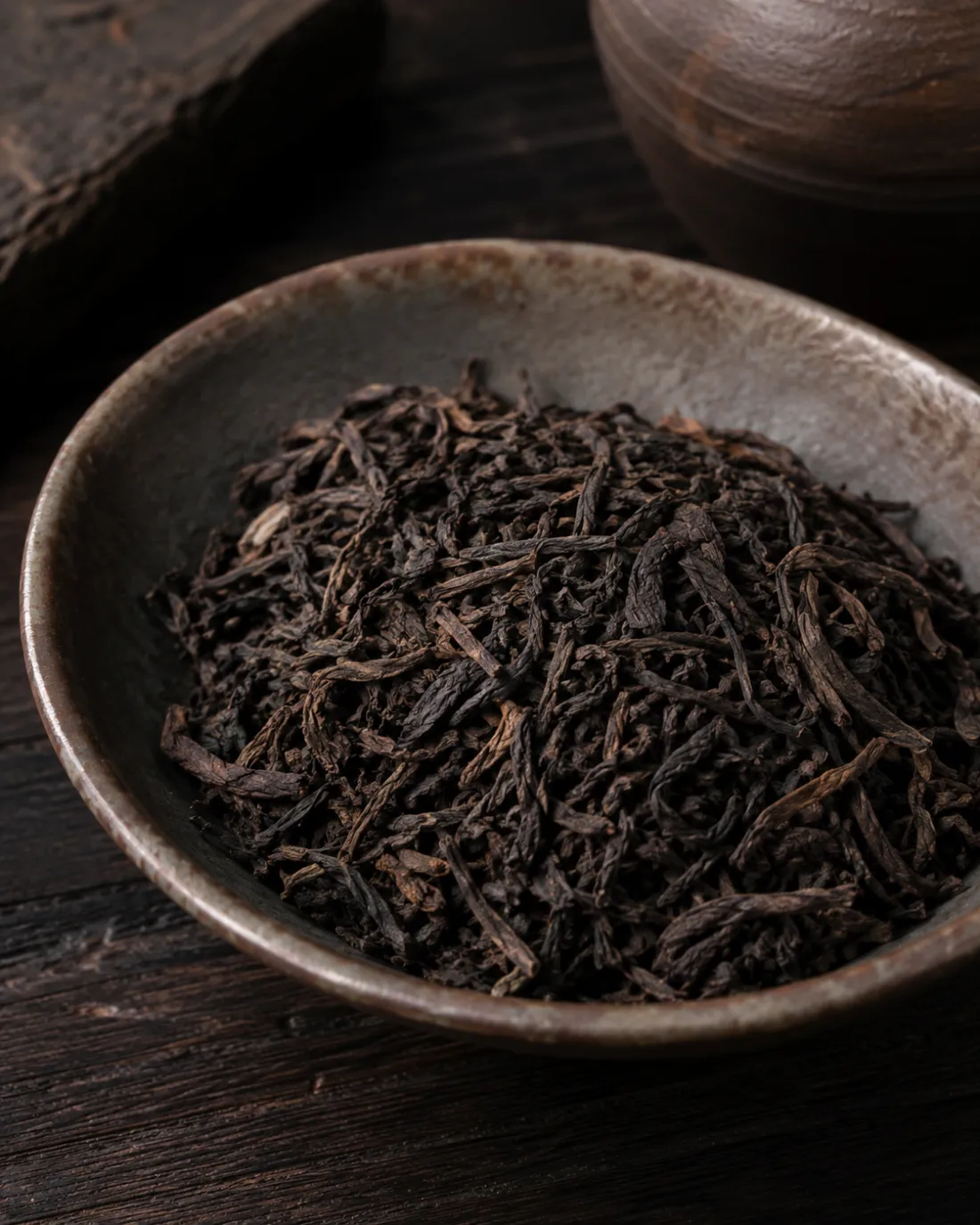
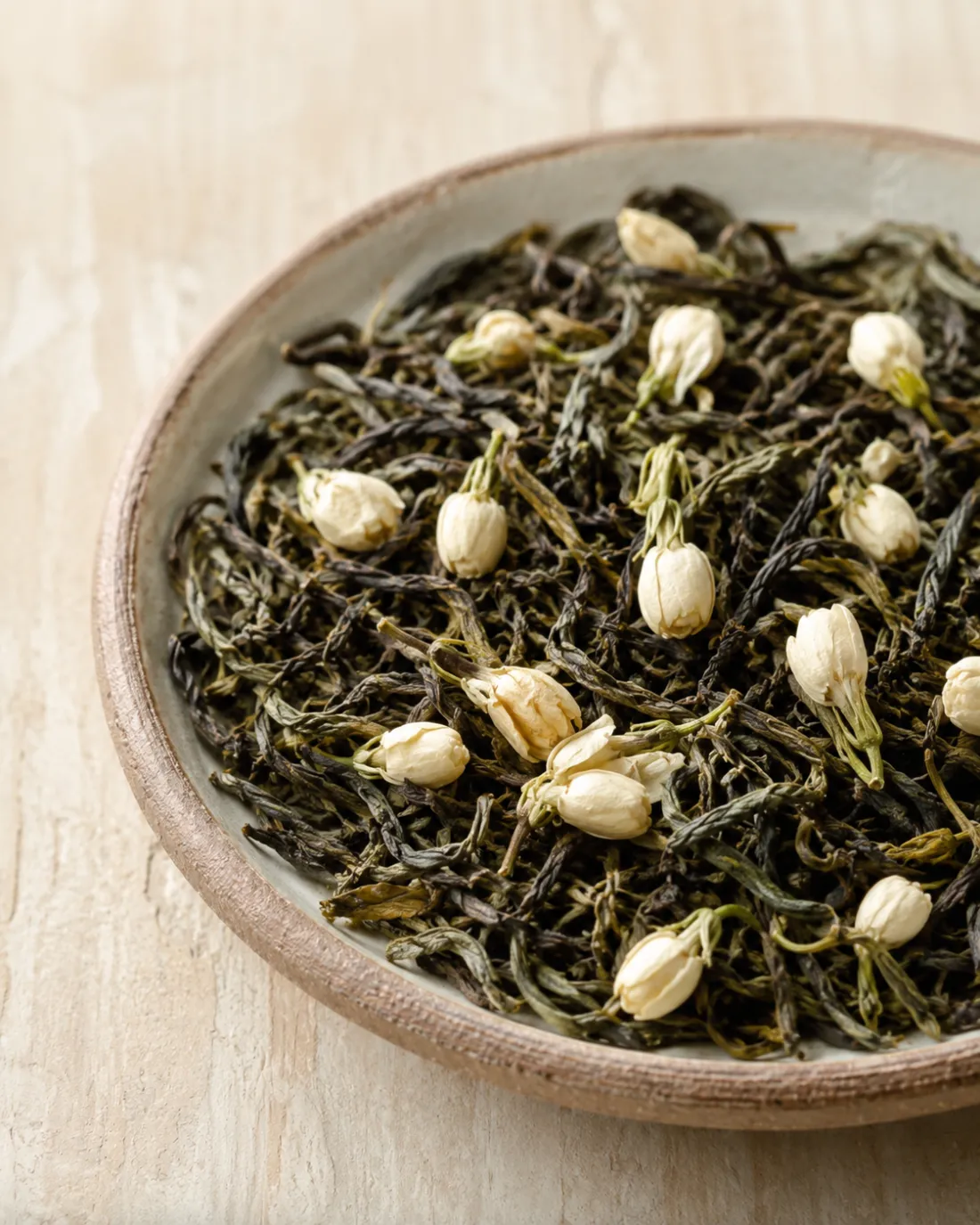
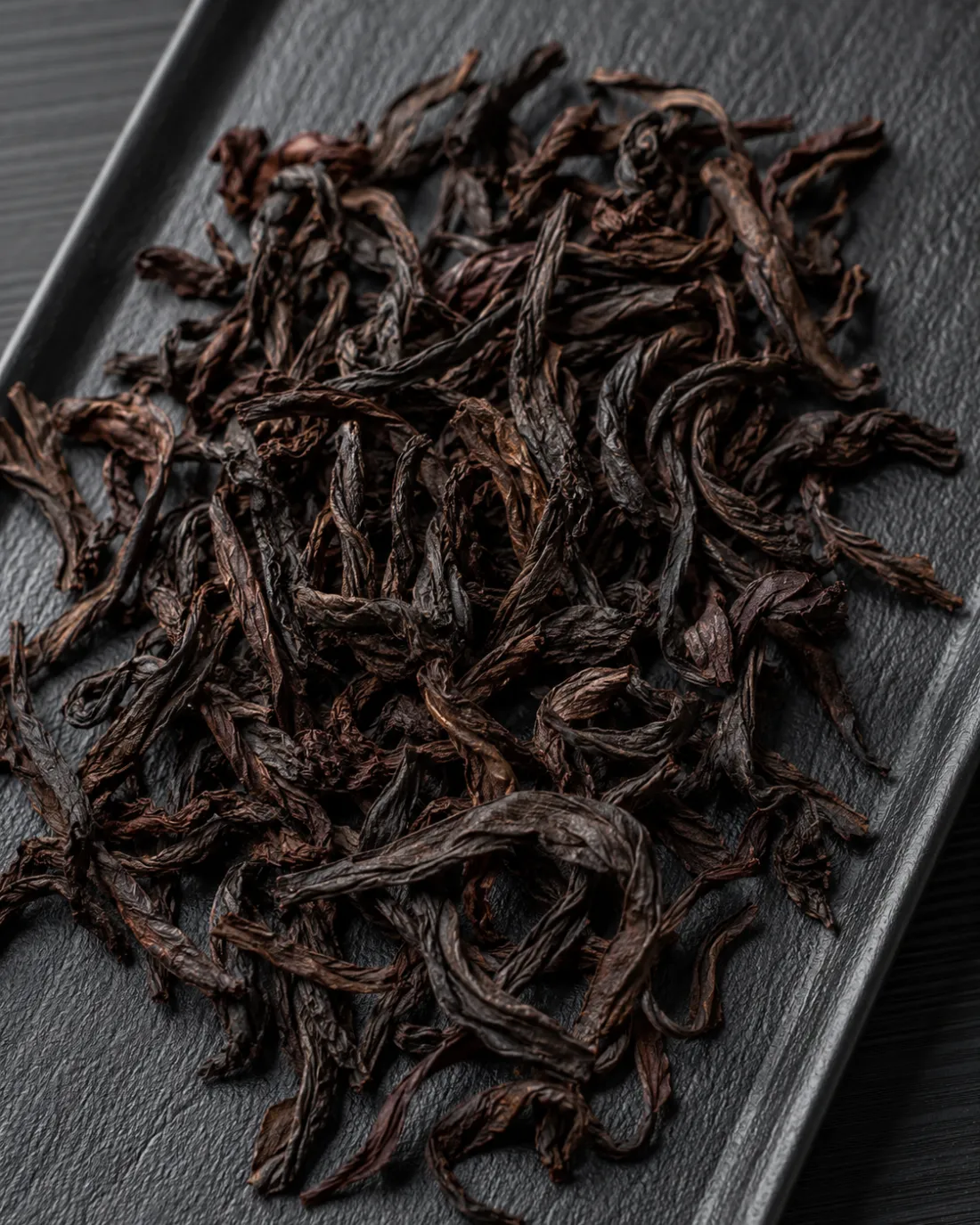
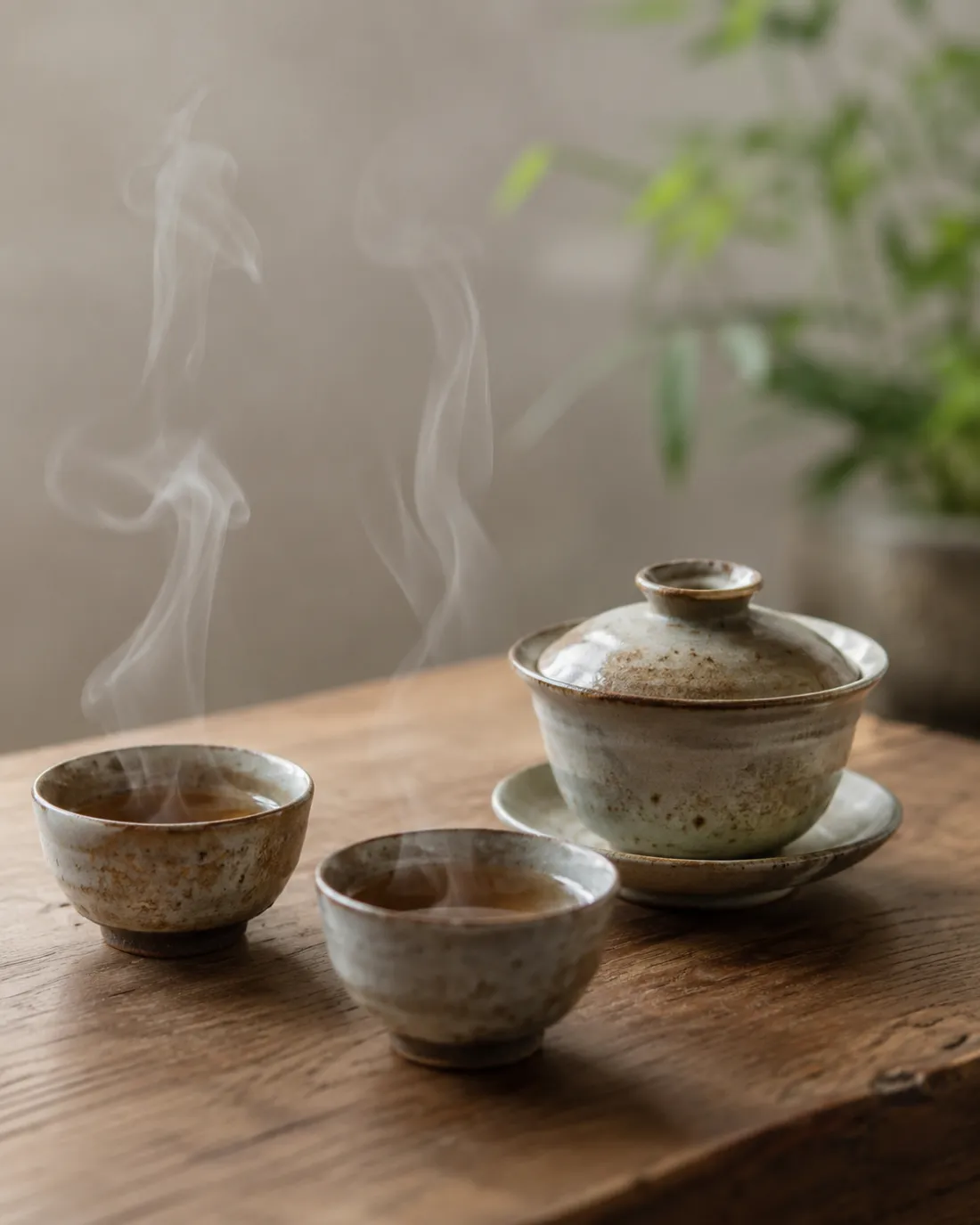
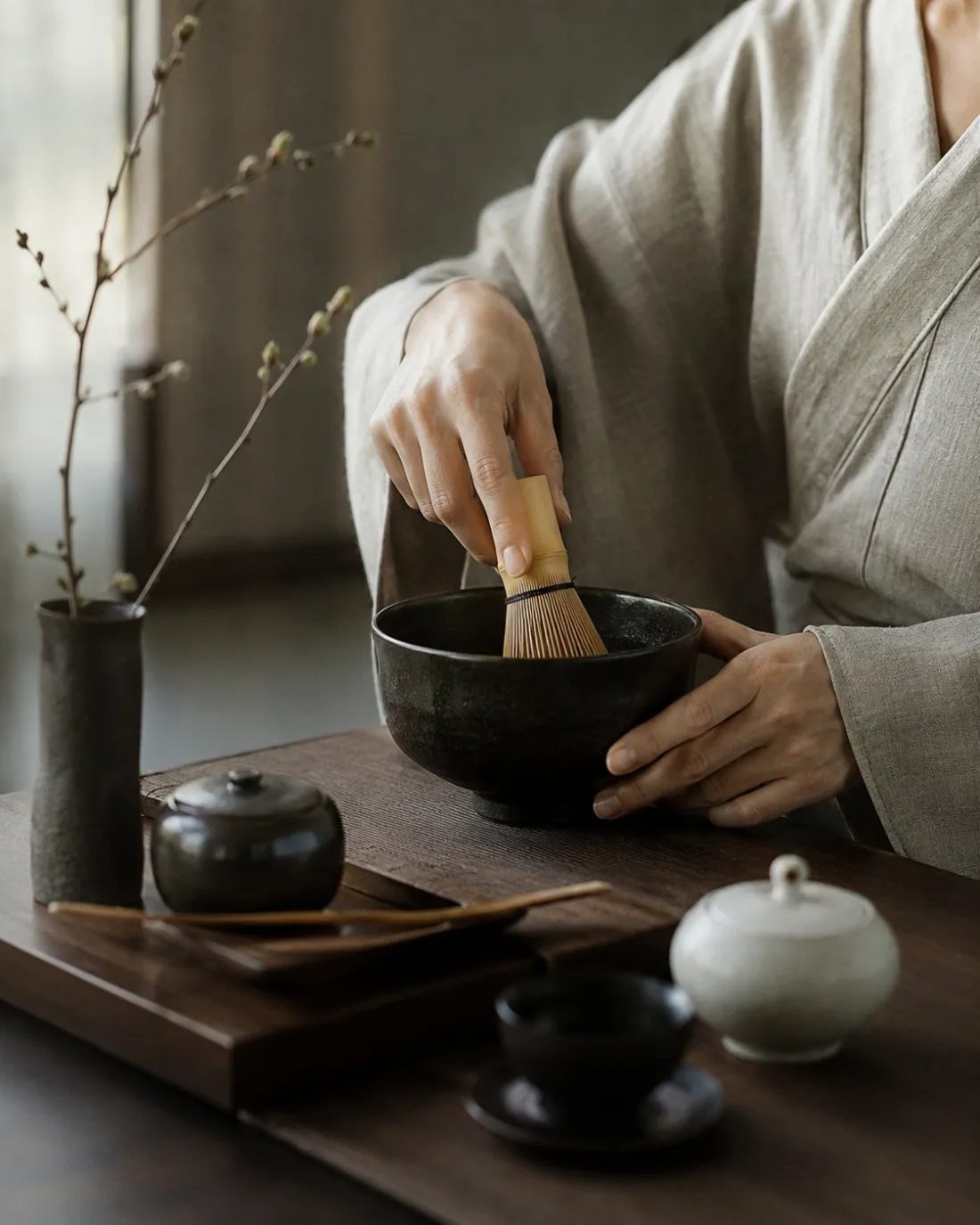
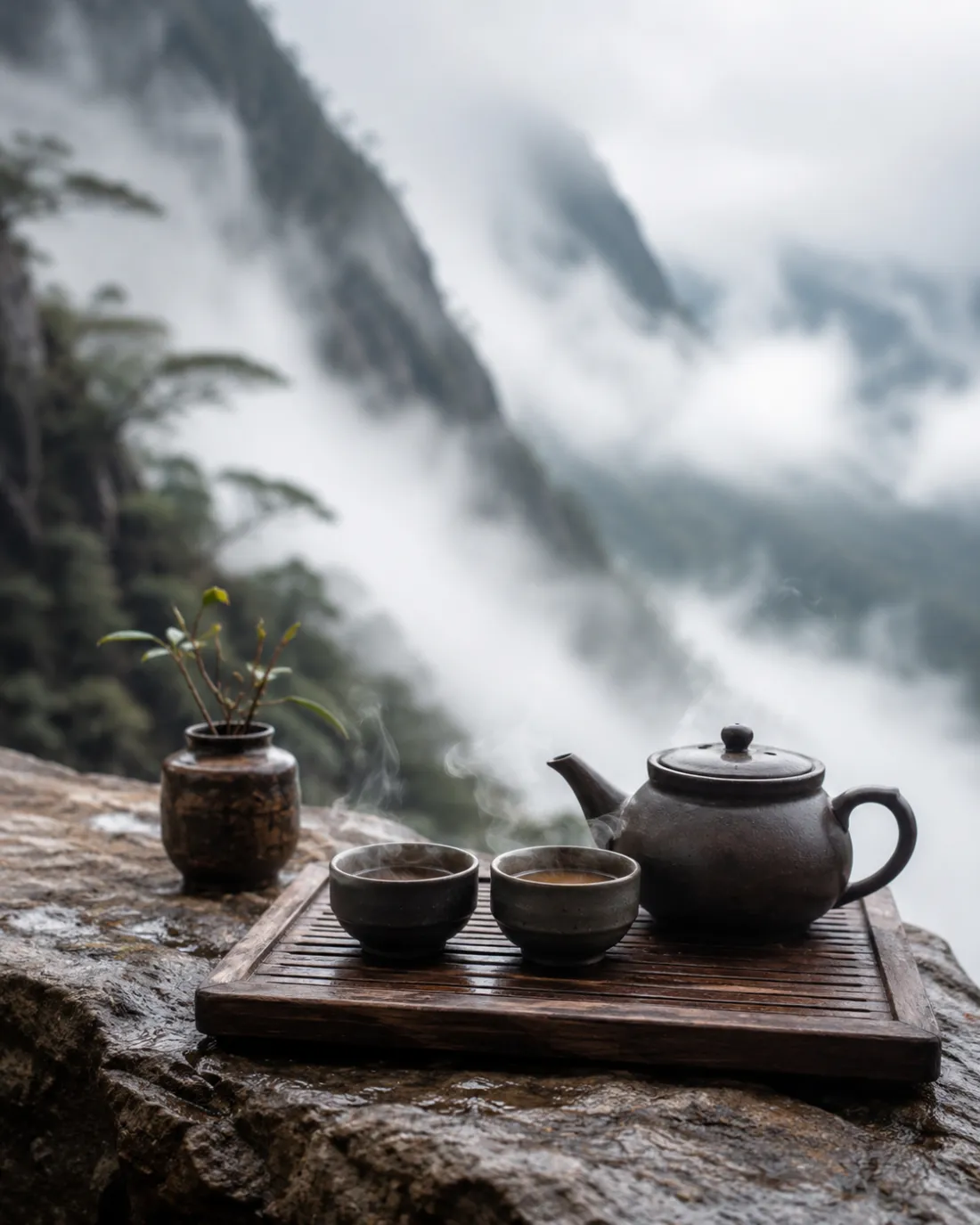
Each cell is filled with that family's brewed liquor, not its leaf. The
leaf is what the photographs below show, and it is the one thing that
does not tell you where the oxidation stopped.
 Lu Yu · 陸羽 733–804